The Liver FunctionThe liver functions as an . It secretes bile, initially receives most absorbed nutrients via the , detoxifies, stores glycogen, and is also of great importance in fat, carbohydrate, and protein metabolism. The majority of cells in the liver are hepatocytes, which constitute two-thirds of the mass of the liver. The remaining cell types are Kupffer cells (members of Hepatocytes perform numerous and vital roles in maintaining homeostasis and health. These functions include the synthesis of most essential serum proteins (albumin, carrier proteins, coagulation factors, many hormonal and growth factors), the production of bile and its carriers (bile acids, cholesterol, lecithin, phospholipids), the regulation of nutrients (glucose, glycogen, lipids, cholesterol, amino acids), and metabolism and conjugation of lipophilic compounds (bilirubin, cations, drugs) for excretion in the bile or urine.
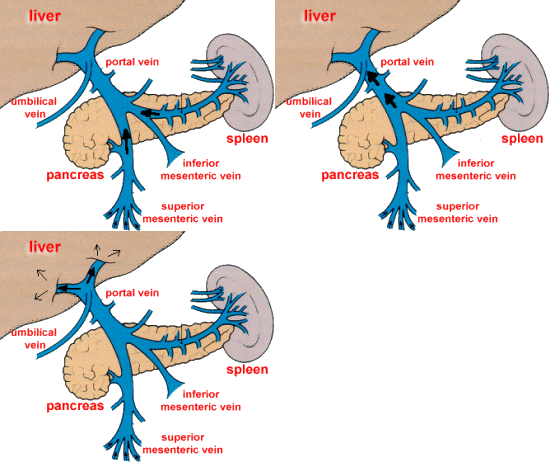
| Portal Circulation |
 |
|
|